Why agent-readiness scores disagree, and how to read ours
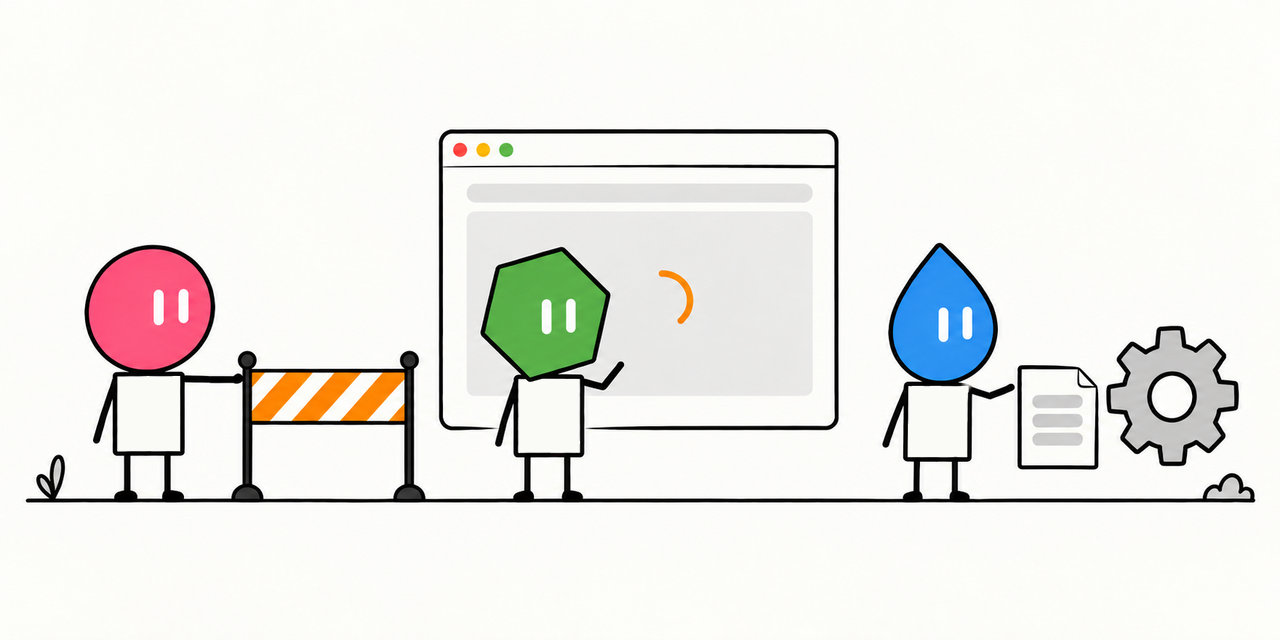
There is no useful answer to “which agent-readiness scanner is most accurate” until you ask what each score measures. HonestClaw’s Agent Readiness Score (ARS) is a 0–100 score that asks one question: can an agent find, understand, and use what you publish on public pages? Other scanners may measure different things, such as whether answer engines mention you, or whether APIs and tools succeed when called. Those scores answer different questions, so the numbers are not interchangeable.
What HonestClaw measures
For one scan of a published site:

01
Find
Can an agent locate what you are and what you offer from the public pages?

02
Understand
Can it read stable facts in text, not only behind images or click gates?
03
Use
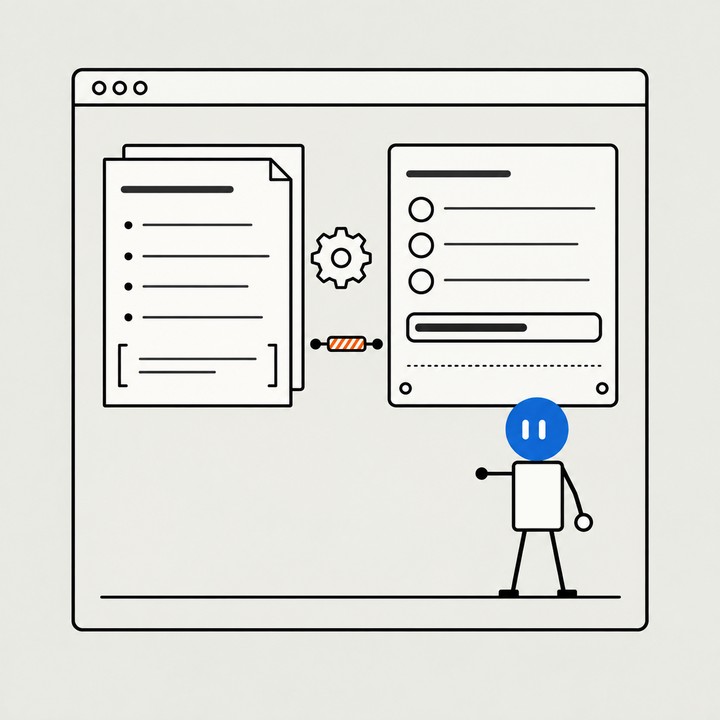
Does the site publish what an agent would need to proceed - docs, contracts, callable entry points?
Three boundaries to keep clear:
- ARS is not citation / AEO visibility. Getting mentioned in an answer engine is a different job. We keep that layer out of ARS on purpose.
- ARS is not live API or MCP call success. We check whether published surfaces (docs, contracts, entry points) are present and legible. We do not put live call success or tool quality when called into the scored number.
- Use is not a finished job. Use means those published surfaces are present and legible. It does not mean an agent completed checkout or a multi-step task.
A higher ARS means more legible, agent-useful surfaces on that scan. It is not a verdict on company quality, market size, or traffic.
Four measurement choices that move any score
1. What does the score measure?
Our score answers one question: can an agent find, understand, and use what you publish on the pages? Another tool may fold in AEO visibility or live call success. Those are different questions. Job scope alone can move the number.
2. How the page is read
Our free public score is measured from the page as the server sends it, without running the site’s JavaScript. Another tool may open a full browser so scripts and layout load. Those two ways of reading can produce different results on the same URL.
3. What counts as missing?
One bar for every site. HonestClaw runs the same scored checks for every site. We do not remove API or documentation checks because a company is a blog, for example. Other scoring systems may exclude checks they consider not applicable. Both are valid design choices, but they produce different numbers.
Some scores also include bonus points that can raise the total but never lower it. HonestClaw does not use bonus points outside the scored checks.
Couldn’t see vs isn’t there. We keep unknowns separate from conclusive absences. Unknowns lower confidence. They do not invent a pass or fail where the scan lacked evidence. On the free path, content that only appears after JavaScript runs is often recorded as not detected, not as an open unknown.
4. Snapshot and version
Every score is a point-in-time reading and bound to a scanner version. The public result shows when it was scanned and which scanner version ran. Re-scan after you change the site. A score can change because the site changed or because the scanner changed. Versioning tells you which.
Why these signals matter to agents
The papers below show why structure, machine-readable facts, documented contracts, listing attributes, and reachable actions on what you publish matter to agents. They do not validate ARS weighting, ladder, or composite scoring. They do not prove that a readiness score makes agents prefer a brand, raise answer-engine rank, or grow revenue.
- In a controlled prototype shopping-site study, clearer structure, machine-readable product data, and explicit action cues raised browser-agent task success from about 49% to about 89% and cut average steps. Designing Agent-Ready Websites for AI Web Agents (Elnaffar & Rashidi, 2026)
- A study of 116 official MCP servers found that most relied on vendor REST APIs, and that incomplete OpenAPI contracts can cause failures when generating MCP interfaces automatically. From REST to MCP (Mastouri et al., 2025)
- In controlled shopping experiments, price, ratings, reviews, sponsorship labels, endorsements, and placement all affected agent choices. Position effects varied substantially across models and model versions, so there was no stable universal top position. What Is Your AI Agent Buying? (ACES, 2025)
- For agentic search, the attributes shown on a results page mattered more to final choice than where a listing appeared on the page. Does Rank Still Matter? (Wadi & Ma, 2026)
- In generative answers, methods that added quotations, statistics, or source citations increased source visibility; keyword stuffing did not. That is source visibility in generative answers, not proof an acting agent can use your site. GEO: Generative Engine Optimization (GEO, 2024)
How to compare scanners for your question
- Name the jobs. HonestClaw: can an agent find, understand, and use what you publish? Ask the other tool what jobs its score answers.
- Note scan date and version for each.
- Read failed checks, not only the headline. If the gap is large, look first at job scope, skipped checks, extra credit, and how “couldn’t see” is handled.
- Choose the scanner that answers the question you actually care about. There is no useful global winner across every tool.
If your real question is AEO / citation visibility, pick a tool built for that. If your real question is whether APIs and MCP tools work when called, pick a tool that puts live call success into its score.
Free vs deep
Free Scan produces the public score. Deep Scan is private and can collect evidence the free scan could not reach. Both use the same scoring engine. Paying never rewrites the public score, confidence, or rank. See Pricing and Methodology.
How to read an HonestClaw result
- Read the score with confidence (how much evidence the scan covered). Low confidence means the scan covered less evidence, not that the site failed every check.
- Read the dimension breakdown for where checks failed or evidence is missing.
- When Agent Comprehension is shown, treat it as a clarity check on pages the scan reached. It is not a third public score and it is not folded into ARS.
FAQ
Why do agent-readiness scanners disagree, and which is more accurate?
There is no useful “most accurate” answer until you name what each score measures. Different scores often answer different jobs. HonestClaw’s ARS measures find / understand / use. Other tools may measure other jobs. The numbers are not interchangeable.
Why is my score lower here than on another scanner?
Usually one of the four measurement choices above - job scope, how the page is read, skipped checks / extra credit, or scan version. A lower HonestClaw score can reflect more missing or weaker agent-useful surfaces because every site is measured against the same bar.
Does paying change my public score?
No. Same engine. Paying never rewrites the public score, confidence, or rank.
Does ARS mean an agent completed the task?
No. ARS measures what the site publishes, not successful task completion.
Does ARS test live APIs or MCP tools?
No. Live tool execution is outside the score.
Does a higher ARS increase AI citations?
No. Citation visibility is a separate measurement.